
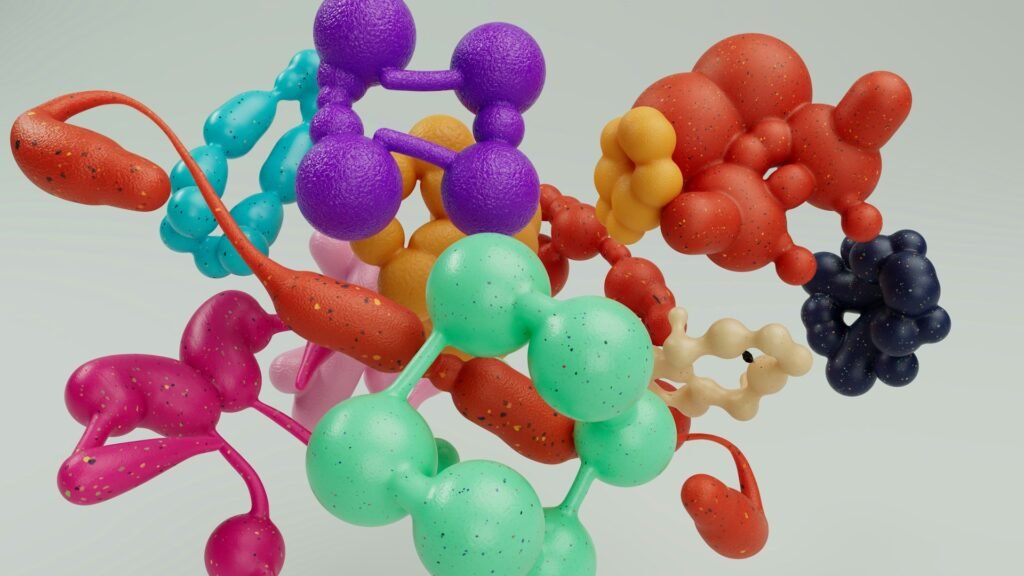
Bioregulator Research Peptides Overview
Bioregulator peptides are short-chain peptide compounds studied in controlled laboratory environments for their structural characteristics, molecular properties, and interaction profiles within experimental systems.
These peptides are investigated in research settings to examine molecular structure, receptor interaction behavior, and intracellular signaling pathways under defined laboratory conditions. Studies focus on characterization, stability, and analytical evaluation during controlled experimental procedures.
What Are Bioregulator Research Peptides?
Bioregulator peptides are short-chain peptide fragments evaluated in laboratory environments to analyze molecular structure, receptor interaction patterns, and intracellular signaling behavior.
Research investigations emphasize analytical reproducibility, structural integrity, and chromatographic characterization when studying these compounds in controlled experimental models.
Epithalon and Pinealon in Laboratory Research
Epithalon is studied in laboratory environments for its structural characteristics and interaction profiles within experimental systems.
Pinealon is evaluated in controlled research models to examine molecular interaction patterns and analytical properties under defined laboratory conditions.
Thymic-Associated Peptides
Certain peptides are studied in laboratory systems for their structural characteristics and molecular interaction profiles.
These include:
Thymagen
Thymalin
Vilon
Research investigations focus on analytical characterization, structural evaluation, and reproducibility within controlled experimental frameworks.
Research Peptides
Peptides may also be categorized in research models based on structural classification and molecular characteristics.
Examples include:
Bronchogen
Cardiogen
Cartalax
Chonluten
Cortagen
Livagen
Pancragen
Prostamax
Testagen
Vesilute
Vesugen
Ovagen
Laboratory analysis focuses on molecular structure, interaction patterns, and analytical consistency across controlled experimental systems.
Research Focus Areas
Laboratory studies involving bioregulator peptides may include:
• Receptor binding analysis
• Structural characterization
• Molecular interaction studies
• Analytical profiling
• Signal pathway observation in controlled systems
All evaluations are conducted within structured laboratory research environments.
Analytical Verification & Laboratory Standards
Bioregulator peptides are evaluated using standard laboratory analytical methods to confirm identity and purity.
These may include:
• High-Performance Liquid Chromatography (HPLC)
• Mass spectrometry
• Peptide sequence verification
• Chromatographic profiling
These procedures are used to ensure consistency and reproducibility in laboratory research settings.